

App Audit & Review Services
for Your Company
Did you know that the average app loses over 70% of its users within three days after installation? Slow onboarding, hidden bugs, weak backend setup, or poor security can lead to a quiet revenue drain. App audit analyzes your application for problematic areas before they become costly issues.
At Weelorum, we provide app audits for websites and mobile products. You may begin with a quick and cost-friendly $50 AI-powered code analysis or move straight into a full expert-led audit handled by our senior engineers.
What Is App Audit & Review
An app audit is an evaluation of all areas of your mobile application. It analyzes more than just an application’s performance, speed, and visual appeal. A proper application audit will include the analysis of code quality, security risks, backend stability, scalability, infrastructure, architecture design, and industry-standard compliance issues.
At Weelorum, we conduct app audits for startups, SaaS products, enterprise platforms, and rapidly expanding mobile applications. Auditing your app helps teams determine which areas are performing optimally, which ones contain risk, and which ones require further analysis before you experience massive growth and problems become worse.
Automated Code Analysis for Mobile App & Web
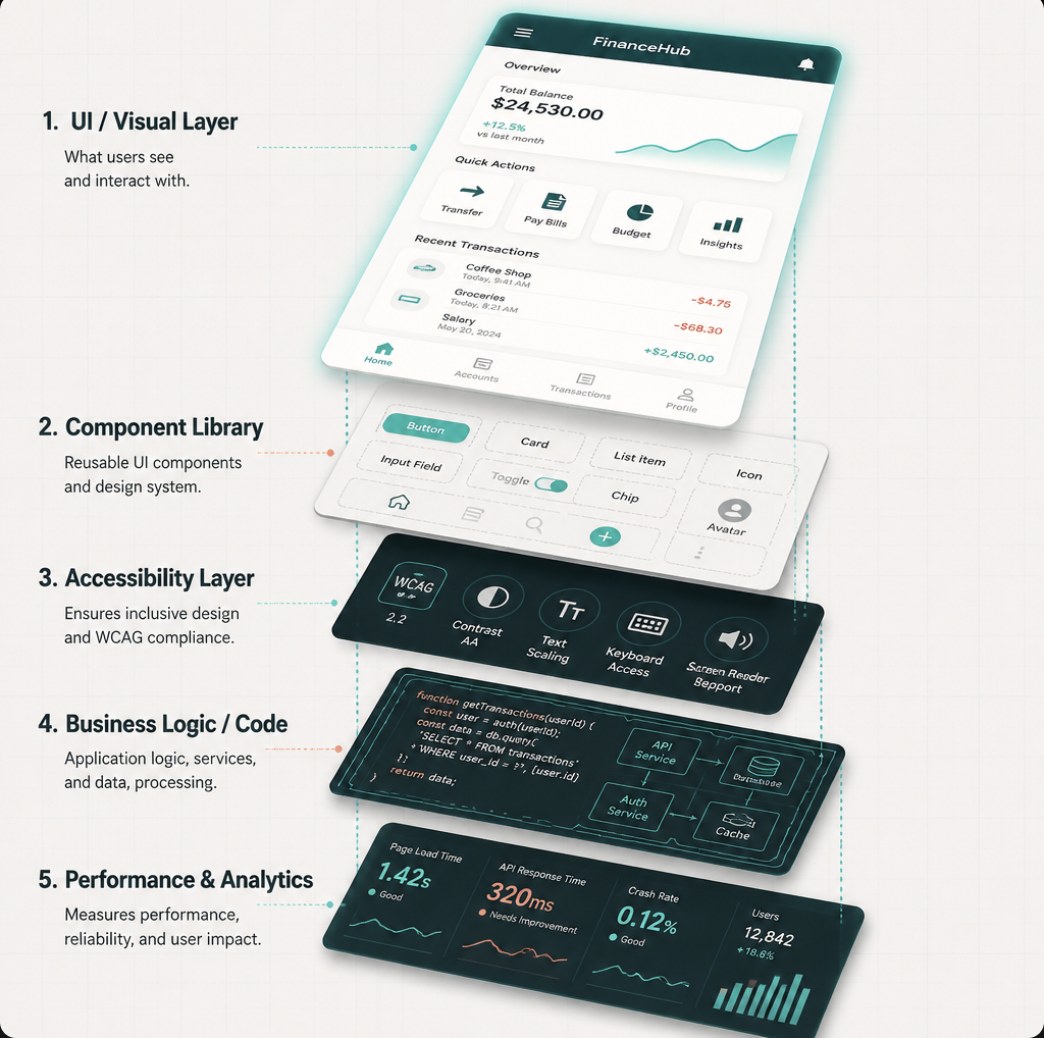
Automated code analysis is a quick AI-powered method to conduct a review of your application in four key areas: performance, security, code quality, and backend scalability. You will provide repository access, and our engineers will supervise the AI-automated code analysis tools to make sure issues are identified accurately and quickly.
The process is fast and affordable. It is a good solution for teams that are seeking a technical overview before they consider a more comprehensive code audit.
Automated Performance Analysis: Shows How to Optimize App Load Time
A slow-loading application loses users quickly. Research shows that a 1-second delay in loading time can negatively impact conversion rates and lead to about 20% of users leaving the app altogether. Our artificial intelligence-powered tool automates the performance analysis process to uncover the source of slow launches, lagging, and unreliable performance before these problems impact retention and revenue.
We analyze the following:
- Startup Time Analysis: We map initialization dependencies and entry-point logic to identify blocking calls and heavy work that delay cold and warm starts. The result is a prioritized list of fixes to reduce launch lag and smooth out the first-frame experience.
- Memory & CPU Patterns: We scan the codebase for known causes of memory leaks, excessive CPU usage, and background work that drains resources — retained listeners, unbounded caches, heavy main-thread tasks — and flag each with a concrete fix.
- Network Efficiency: We identify oversized payloads, duplicate requests, missing caching, and unnecessary API calls that increase loading time and mobile data cost. Each finding includes the endpoint and the recommended change.
- Rendering Quality: We review the UI layer for the structural causes of lag and stutter — deep view hierarchies, layout thrashing, expensive re-renders, oversized assets — and cross-reference with public field metrics where available.
- Bundle/Build Analysis: We inspect the shipped bundle to surface unused dependencies, duplicated libraries, oversized assets, and weak build configuration, returning a prioritized list with the estimated size saving per change.
Automated Security Analysis: Expose Vulnerabilities Before Hackers Do
In 2025, cybercriminals adopted a mobile-first strategy in their attacks, leaving companies with no choice other than taking mobile threats seriously. Large platforms such as Booking.com and SoundCloud have had cases of cyberattacks on their systems, compromising user data and diminishing trust in their platforms.
Our AI-based automated security analysis of your codebase will identify vulnerabilities before they are exploited by attackers.
What we analyze:
- Dependency Vulnerabilities: We scan third-party libraries against public CVE databases, assess severity by exploitability and exposure, and recommend safer versions, patches, or drop-in replacements.
- Secrets & Credentials: We detect exposed API keys, tokens, passwords, and hardcoded credentials across the codebase and config files, flagging each with the location and a remediation step.
- OWASP Static Analysis: We review your application against OWASP Top 10 risks, surfacing injection flaws, broken access control, insecure configurations, and similar weaknesses with file-level findings.
- Authentication Patterns: We examine authentication and authorization logic — session handling, token lifecycle, password storage, and access checks — to identify gaps that could allow account takeover or privilege escalation.
- Data Handling & PII: We map how sensitive data is stored, transferred, logged, and encrypted, highlighting weak crypto, missing TLS enforcement, and PII exposure that affects privacy and compliance.
Automated Code Quality Analysis: Prevents Bugs Before They Become Critical
Mobile apps that perform well have a 99.95% crash-free rate, while top-performing apps reach 99.99%. As soon as crash rates grow, ratings drop, support requests increase, and some app stores may begin to flag performance issues.
Our automated code quality analysis helps identify bugs that can lead to production issues well before they happen.
The following are the types of analyses we provide:
- Code Complexity: We identify deeply nested logic, oversized functions, and high cyclomatic complexity that make code harder to maintain and more prone to regressions, with file-level findings and refactoring suggestions.
- Duplication Analysis: We detect repeated logic and copy-paste patterns across the codebase that inflate technical debt and create hidden bug risks when changes are applied in one place but missed elsewhere.
- Test Coverage: We review existing test coverage and map it against critical flows, surfacing high-risk areas — auth, payments, data writes — that lack automated tests and should be prioritized.
- Dependency Health: We check whether your dependencies are outdated, unmaintained, deprecated, or linked to known vulnerabilities, and recommend upgrade paths or safer alternatives.
- Code Style & Patterns: We review naming consistency, file structure, and architectural patterns to flag drift from conventions and inconsistencies that slow onboarding and complicate future scaling.
Automated Backend Analysis: Allows Your App to Scale Smoothly
The real test of an application occurs as traffic increases over time. Your backend might have performed well with thousands of users; however, as your infrastructure becomes more complicated, your application might experience unexpected failures. Our AI-powered backend analysis ensures that your app continues to maintain stability, responsiveness, and dependability under increased usage.
Here are the areas that we check:
- Database & Query Patterns: We review schema design, indexing, and query structure to surface N+1 calls, missing indexes, and inefficient joins that degrade database performance as load increases.
- API Design: We examine how your API is structured, including pagination, rate limiting, and versioning, to confirm that the backend can support sustained traffic growth without breaking contracts or overloading endpoints.
- Caching Patterns: We analyze your caching layers to evaluate cache placement, invalidation rules, and TTL configuration, identifying gaps that increase server workload and slow down end-user response times.
- Error Handling: We review how errors are detected, logged, and propagated — and how failures are isolated — since silent or unhandled errors are the most common cause of cascading outages.
- Infrastructure Config: We analyze deployment manifests, container definitions, and environment configuration in your repository to surface reliability and scalability risks before they hit production traffic.
How Much?
$50
For one type of analysis
- Performance
- Security
- Code quality
- Backend scalability
How Long?
Result
Ready to go deeper? Upgrade to a Manual Expert Audit and get 10% off
Manual Audit vs. Automated Audit
Automated Audit
Automated audits provide a quick overview of your application’s health. AI scans of large codebases can quickly identify many of your application’s problems, including some common vulnerabilities, performance bottlenecks, and other issues related to code quality. These tools both save time and offer broad technical coverage early in the analysis process.
However, there are some limitations to using automated tools for auditing your application. They do not provide any insight into the business logic related to your product, including your architecture decisions, scaling goals, or user behavior. As a result, AI scan results may flag hundreds of issues with no indication as to which might be truly dangerous (i.e., pose a security threat to the application), which are lower priorities, or which are technical trade-offs made during software design by your team.
Manual Expert Audit
When an expert performs a manual audit, they are able to address issues and provide the context that is sometimes missed in an automated audit. A senior engineer will validate AI-generated audit results, remove false positives, and look deeper for more serious issues such as hidden architecture problems, risky dependencies, poor scaling decisions, and advanced security weaknesses that an automated audit may have missed. In addition, manual audits allow for validation of how an application behaves under actual traffic patterns, failure conditions (e.g., server failures, network issues), and in high-load scenarios.
Most importantly, an expert audit allows for the creation of an actionable plan based on the results of the audit. Instead of only listing problems that were identified through the audit, an expert will create a priority list of issues based on the potential impact of those problems as it relates to performance, security vulnerabilities, scalability, and ongoing support. Your team will receive a clear set of recommendations and steps for remediation.
AI audits are very efficient and cover a wide area and different aspects of the app, but manual expert audits provide deeper contextual insight and exercise a level of judgment that automated tools will never be able to deliver. When used in combination, they give you a much more accurate and actionable evaluation of your application.
Ready to go deeper? Upgrade to a Manual Expert Audit and get 10% off
Manual Expert Audit for Mobile Applications & Web
Our manual audits are performed by senior developers. You must provide full access to your application’s codebase, staging environment, and documentation, as well as have a 30-minute kickoff call with us so that we can ensure we have all the information necessary to do a proper review.
After the audit is complete, we will have a call with your team to go over our findings and provide recommendations.
Performance Audit: Faster Load, Fewer Errors, Happier Users
Sometimes applications are technically functional, but they still create friction for users. Users may experience screen lags, delayed API responses, stuttering animations, and random spikes in memory usage. We will identify where these friction points (which AI tests might miss) exist and provide your team with a plan to resolve them.
The following are included in this audit:
- CPU, Memory & I/O Profiling: We analyze how your application uses system resources to identify bottlenecks, memory leaks, and inefficient operations slowing the app down.
- Database Query Optimization: We review slow queries, missing indexes, and inefficient joins to improve database response times and reduce server load.
- UI Rendering & FPS Analysis: We measure frame rate performance, detect lag and stuttering, and optimize UI updates for smoother interactions.
- Network Optimization Review: We analyze server communication, large payloads, and resource delivery to improve loading speed and responsiveness.
- Prioritized Optimization Roadmap: We provide a structured improvement plan with recommendations ranked by impact, urgency, and implementation effort.
How Much?
$2,000
Simple applications
- Single server
- One database
- Up to 50K LOC
How Much?
$3,000
- Applications with microservices
- Multiple databases
- Real-time components
How Long?
Result
Security Audit: Fix Risks to Save Money
Security failures can be costly in terms of financial loss, legal problems, and damage to customer trust. An audit performed by advanced security engineers will discover potential vulnerabilities by testing your application for insecure coding practices and implementation techniques often missed by automated tools.
The following are included in this audit package:
- OWASP Top 10 Review: We assess your application against major OWASP security risks and document each finding with file-level evidence, reproduction steps, and severity rating.
- Data Protection Assessment: We review how sensitive data is stored, encrypted, transferred, logged, and retained, surfacing weak crypto, missing TLS enforcement, and PII exposure that affect privacy posture.
- Infrastructure Security Review: We analyze server configuration, firewall rules, access controls, and credential storage in your repository and deployment manifests to reduce infrastructure-level risk.
- GDPR & HIPAA Technical Safeguards / SOC 2 Gap Analysis: We evaluate the technical controls in your application against key compliance frameworks relevant to your industry and identify gaps to close before a formal audit.
- Risk Classification & Remediation Roadmap: All findings are prioritized by severity, exploitability, and business impact, with recommended fixes and realistic implementation timelines.
How Much?
$3,000
Standard applications
- REST APIs
- A single authentication provider
How Much?
$5,000
Complex applications
- Microservices
- Multiple authentication flows
- Regulated industries such as Fintech and Healthtech
How Long?
Result
Code Quality & Architecture Audit: Clean Code Helps to Scale
Messy code doesn’t always fail right away, which makes technical debt much more dangerous. Teams often deliver product functionality while, behind the scenes, maintaining those features becomes slower and more difficult each month. This audit focuses on your application’s codebase structure.
What the audit includes:
- Architecture Mapping & System Review: We map your system with a clear architecture model (C4), check how the system components interact, evaluate structure quality (coupling and cohesion), and recommend architecture improvements where needed.
- Code Smell Detection: We identify duplicated logic, oversized classes, scattered changes, and other structural problems that increase maintenance difficulty.
- Quality Metrics & Maintainability Scoring: We measure complexity, duplication, test coverage, and maintainability to assess overall code health.
- Memory Leak Analysis: We detect resource leaks, circular references, detached DOM elements, and other memory-related issues affecting stability.
- Class & Module Structure Review: We evaluate the separation of responsibilities, dependency management, inheritance usage, and overly complex modules.
- Refactoring Roadmap with Estimates: We create a prioritized refactoring plan with practical recommendations and estimated implementation effort.
- Technical Debt Inventory: We quantify technical debt, classify its severity, and identify areas creating the highest long-term development cost.
- Dependency & License Review: We review outdated packages, security vulnerabilities, deprecated APIs, and software license conflicts.
- Design Pattern Evaluation: We assess how architectural patterns are implemented and identify anti-patterns creating maintainability or scalability problems.
- Test Quality Assessment: We evaluate test reliability, edge-case coverage, flaky tests, and overall testing effectiveness.
How Much?
$2,000
Single-repo projects
- Up to 50K LOC
- A single language
How Much?
$4,000
Multi-repo & legacy
- Polyglot (multiple languages)
- 3+ years of history
- Projects without tests that require deep codebase "archaeology"
How Long?
Result
Backend Scalability Audit: Grow Without Crashes
Backends that function properly during light usage could be overwhelmed by high levels of traffic. This has occurred in our audits, where one marketing campaign can exceed expectations and nearly take the entire product offline. In this audit, we will assess how dependable, available, and scalable for continued growth the system is. We also recommend backend strategies to enable the system to scale properly.
What the audit includes:
- Infrastructure Architecture Review: We analyze your current infrastructure setup, compare it against recommended scaling practices, and identify weak points.
- Database Scalability Planning: We evaluate whether your database can support future growth and recommend optimization, replication, or sharding strategies where needed.
- API Design Evaluation: We review API structure, pagination, rate limiting, and versioning to ensure your backend can scale efficiently.
- Caching Strategy Analysis: We assess Redis, Memcached, CDN usage, cache invalidation rules, and TTL configuration to improve performance and reduce server load.
- Scaling Roadmap from 1K to 1M Users: We provide a staged scaling plan outlining the infrastructure and architecture changes needed as your user base grows.
How Much?
$2,500
Monolithic backends
- Single server
- One database
How Much?
$4,500
Distributed systems
- Microservices
- Multiple databases
- Message queues
- Cloud-native architectures
How Long?
Result
Full Product Audit: See the Complete Picture
This is our flagship audit package that allows the client to receive a full technical evaluation of performance, security, code quality, and backend scalability, all in one package. We recommend that this package be completed before major scaling phases, fundraising efforts, acquisition of companies, or rebuilding large features.
Ordering all audits in this package saves you about 25% to 35% compared to when you order individual audits.
How Much?
$5,000 to $8,000
Full technical evaluation, all in one package
- Performance
- Security
- Code quality
- Backend scalability
How Long?
Result
Result
- A detailed 50-80 page PDF report
- 3-page executive summary for C-level stakeholders with key findings, risks, and their business impact
- Unified Action Plan: A single, prioritized roadmap covering all four areas, with actionable, sprint-ready tickets your team can start implementing right away
- 2 kick-off calls instead of one
- A 1-hour deep-dive call: Results presentation with Q&A
- Follow-up call 30 days after to check the progress.
App Audit Process Step-by-Step
Let’s walk you through the audit process at Weelorum.
Choose Your Level
Pay
Stay Protected From Data Leaks With an NDA
Share Access
Get Actionable Results
Implement Major Updates & Improvements
Why Weelorum
Weelorum works with startups and growing SaaS companies that need scalable, production-ready applications.
Why teams choose us:
- Ranked as a leading AI development partner for SaaS startups on Clutch
- Applications built by our team have reached more than 150 million users
- AI-assisted development combined with experienced engineer oversight
- Strong focus on production-quality architecture and App Store compliance
- Extensive experience conducting audits across mobile and web products
Frequently Asked Questions
Why do you need access to my code?
What do I need to provide for the audit?
What happens after the audit?
Will this impact our network or users?
Do you also offer UX/UI audits?
Not Sure Where to Start?
Some teams only need a quick AI review. Others need a full technical deep dive before scaling, fundraising, or rebuilding infrastructure.
Book a free 15-minute consultation, and we’ll recommend the right audit for your product.